
Service Online
400-0177-727
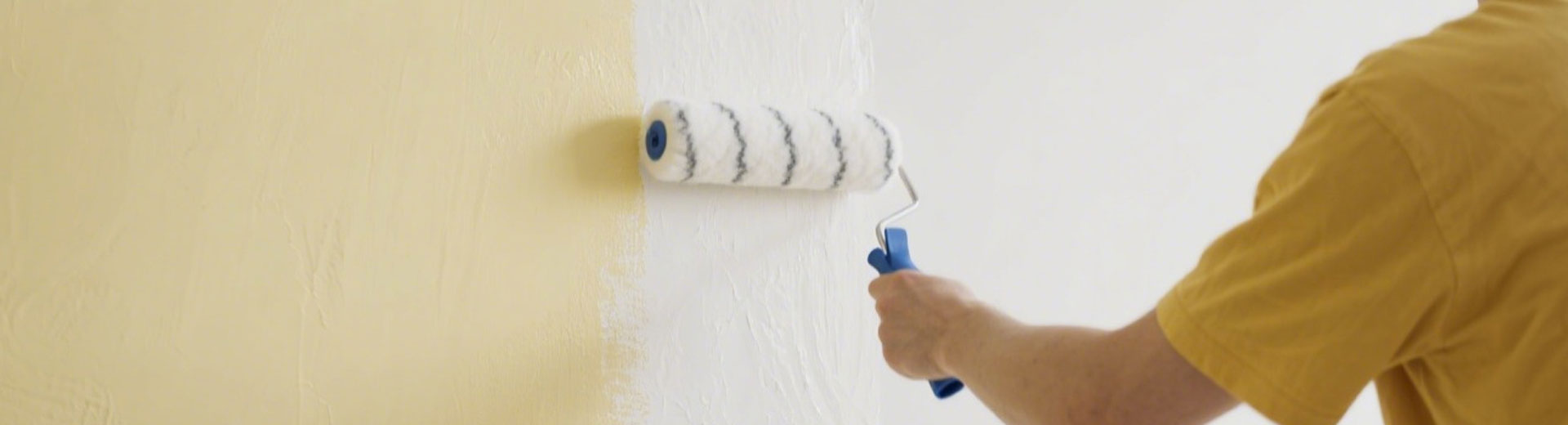
The wall is the "face" of the home space, but it is inevitable that it will be stained with dust, fingerprints, oil stains and other stains during daily use, which will affect its appearance. If the cleaning method is improper, it may also cause the wall to fade, peel or paint to peel off. In fact, there are rules to follow for cleaning painted walls. As long as you master the correct methods, you can protect the wall while removing stains. The following are specific cleaning techniques and precautions that beginners can easily get started with.
1、 First, let's clarify: what are the types of wall stains?
The difficulty and methods of cleaning different stains vary greatly. Before cleaning, it is necessary to determine the type of stain in order to "prescribe the right medicine". The common types of wall stains are as follows:
Dust/floating dust: If left uncleaned for a long time, a thin layer of dust will accumulate on the wall, especially near windows and air conditioning vents, which will feel rough and leave marks when wiped with hands.
Water soluble stains: such as fingerprints, footprints, juice stains, tea stains, etc. These types of stains are mainly composed of water or water-soluble substances, which are easy to clean before they are completely dry, and may form imprints after they are completely dry.
Oil stains: kitchen wall oil fumes, vegetable soup splashes next to the dining table, cosmetic residues, etc. These types of stains contain oil components, have strong adhesion, and are difficult to remove with water alone.
Stubborn stains: such as markers, colored pen strokes (especially oily pens), long-term uncleaned mold stains, etc., are difficult to clean and require targeted treatment.
2、 Before cleaning, it is necessary to do: 3 steps of preparation to avoid stepping on pits
Cleaning the wall is not as simple as simply wiping it. Preparing in advance can reduce damage to the wall.
1. Confirm the type of wall coating
The water resistance and wear resistance of different coatings vary greatly, and the cleaning method needs to be adapted:
Latex paint wall: The most common types of coatings include matte, matte, and soft gloss. Among them, matte and soft gloss latex paint have good water resistance and can be lightly wet wiped; Matte latex paint has weak water resistance and requires controlled water usage.
Diatom mud wall: The texture is porous and has strong water absorption. It cannot be cleaned with a large amount of water, otherwise it is easy to absorb water, expand, and lose powder.
Artistic paint wall: The surface may have texture, metallic luster, or concave convex design. When cleaning, avoid rubbing forcefully to prevent damage to the coating or texture.
2. Prepare tools and materials
Basic tools: soft bristle brush (or feather duster), slightly wet rag (choose cotton and linen materials that can not shed wool), sponge (those with high density and good elasticity, avoid chip dropping), bucket, neutral detergent (such as mild soapy water, phosphate free detergent solution, avoid strong acid and strong alkali cleaners), small spray bottle (containing clean water or diluted detergent).
Special tools: For high place stains, a folding ladder can be prepared; A textured wall can be brushed with a soft bristled toothbrush (gently brushing along the texture).
3. Conduct a "small-scale test" first
Regardless of the type of stain to be cleaned, it is recommended to first test in an inconspicuous location on the wall (such as a corner of the wall or behind furniture): gently wipe with prepared cleaning agent or water, and observe whether there is fading, paint peeling, or material softening. After testing without any abnormalities, clean a large area to avoid damaging the entire wall with just one wipe.
3、 Scene specific cleaning: Different stains are treated in this way to ensure cleanliness and wall protection
Scenario 1: Daily dust removal (dust/floating ash)
Cleaning steps:
First, use a soft bristled brush or feather duster to gently sweep away the floating dust on the wall from top to bottom (to avoid excessive force causing dust to fly);
If the dust is thick, you can use a slightly damp cloth (wrung dry until no dripping) to wipe in one direction (such as horizontal or vertical), to avoid static electricity generated by back and forth friction and absorb more dust;
For textured walls, use a soft bristled brush to gently brush along the texture, and then use a cloth to wipe away the dust that has been brushed off.
Scenario 2: Water soluble stains (fingerprints, juice stains, etc.)
Cleaning steps:
If the stain has just been stained (not completely dried), immediately use a dry cloth or tissue to absorb the surface liquid and avoid spreading;
Thoroughly dry stains: use a spray bottle to evenly spray water on the stains (a small amount for many times to avoid water accumulation), and let the water soften the stains for 1-2 minutes;
Gently press and wipe with a slightly damp sponge or cloth (do not rub vigorously to prevent paint from falling off). After the stains disappear, use a dry cloth to wipe off any remaining moisture to avoid water seeping into the wall and causing bubbles.
Scenario 3: Oil stains (oil fumes, cosmetics stains, etc.)
Cleaning steps:
Mild oil stains: Soak a cloth with diluted neutral detergent (such as 1:10 soapy water), wring it out, gently wipe the stains, wipe off the residue with a clean cloth, and then dry it with a dry cloth;
Severe oil stains: Apply a small amount of toothpaste (non whitening type, to avoid particle friction and damage to the wall) or diluted baking soda water to the stain area, gently massage in circles with fingertips (gentle force), wait for the oil stain to dissolve, wipe it clean with a damp cloth, and finally dry it with a dry cloth.
Scenario 4: Stubborn stains (handwriting, mold, etc.)
Cleaning steps:
Waterborne handwriting (watercolor pen, washable colored pen): Wipe directly with clean water or diluted soapy water, using the same method as water-soluble stains;
Oil handwriting (marker pen, ballpoint pen): Apply a small amount of wind oil essence or medical alcohol (dip a cotton swab to avoid excessive use) on the surface of the stain, let it stand for 30 seconds, and gently wipe it with a dry cloth (alcohol is volatile, quick operation is required to avoid penetrating the wall);
Mold stains: First, confirm whether the wall is damp. If mold grows due to dampness, it is necessary to first solve the ventilation or water leakage problem (such as repairing window seals and increasing dehumidification). Then, use diluted white vinegar (1:5 to water) or bleach (a small amount to avoid fading) to gently wipe the mold stains, wipe them clean, and dry them with a dry cloth while keeping them ventilated and dry.
4、 5 "taboos" that must be paid attention to when cleaning
Avoid using hard tools to scrape: such as steel wire balls, hard brushes, blades, etc., which will directly scrape off the wall paint and leave scratches;
Avoid excessive accumulation of water: When cleaning, the cloth or sponge must be wrung dry to prevent moisture from seeping into the base layer through the gaps in the wall, causing bubbles, peeling, and mold on the wall;
Avoid strong acid and alkali cleaning agents, such as toilet cleaner and caustic soda, which can corrode coatings and cause wall discoloration and peeling;
Avoid not wiping off in a timely manner: residual moisture after cleaning can keep the wall in a damp state for a long time, especially during the southern rainy season, which can easily breed mold;
Avoid blindly handling unknown stains: If the composition of the stain is uncertain (such as chemical reagents, pigments, etc.), do not use cleaning agents casually. It is recommended to consult professional wall maintenance personnel first to avoid secondary damage.
5、 Daily maintenance: Do these 3 things well, the wall is less dirty and more durable
Regular dust removal: Use a feather duster or soft bristled brush to sweep the floating dust once a week to reduce the accumulation of stains (dust accumulated for a long time will combine with water vapor in the air, forming stubborn stains);
Avoid external damage: When moving furniture, gently push and place it to avoid colliding with the wall; Children's rooms can be equipped with anti-collision strips to prevent toys, tables, and chairs from scratching;
Keep the environment dry and ventilated: The walls of the bathroom and kitchen should be well waterproofed. Open windows or use dehumidifiers daily, control indoor humidity (humidity is recommended to be kept at 40% -60%), and prevent mold growth and paint peeling due to moisture.
The core of cleaning painted walls is "gentle, targeted, and timely": first determine the type of stain, prepare and test it, then gently wipe it with appropriate methods, and finally pay attention to daily maintenance. As long as you avoid the pitfalls of violent cleaning, the walls can be kept clean and tidy for a long time, making the home space more comfortable and beautiful. Remember: The wall is the "face", and only by maintaining it with care can it be "fresher and fresher the more you live".


