
Service Online
400-0177-727
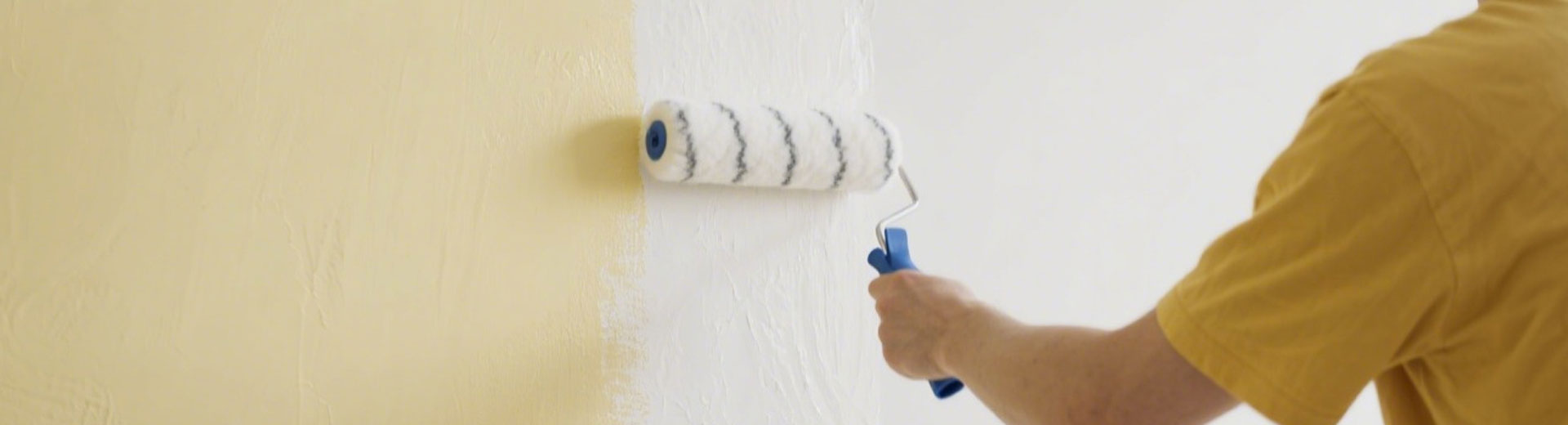
1、 Grassroots treatment: By doing this step well, the adhesion of the coating can be improved by 50%
The base layer is the "foundation" of the coating, and improper treatment can easily lead to problems such as peeling, bubbles, color difference, etc. The key steps are:
Cleaning and removing impurities: The wall/wooden surface should be free of oil stains, dust, and mold spots - use a neutral cleaning agent to wipe off oil stains, and use a 1:10 bleach solution to brush mold spots and rinse with clean water;
Repair and leveling: Fill the cracks on the wall with putty (for deep cracks, fill them 2-3 times and polish them after each time they dry), and level the depressions with a mixture of gypsum powder and glue; Wood burrs need to be polished with 180 grit sandpaper along the wood grain to remove residual sawdust;
Primer brushing: New walls/cement substrates must be coated with alkali resistant primer (to prevent alkali bleeding and powdering), old walls must be refurbished and coated with adhesive primer (to enhance the bonding between new paint and old walls), and wooden objects must be coated with sealing primer (to prevent wood grease from seeping out and contaminating the topcoat).
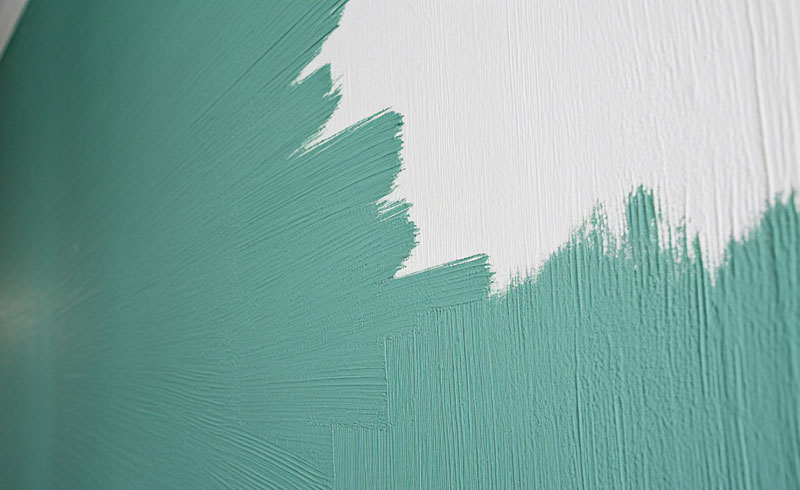
2、 Mixing and dilution: avoid color difference and coating obstacles
When the paint leaves the factory, the pigment is prone to precipitation, and direct use can lead to "shallow top and deep bottom". Incorrect dilution ratio can affect performance. The correct method is:
Mixing should be thorough: After opening the tank, use a mixing rod (or electric drill+mixing head) to stir along the circumference of the tank bottom for 3-5 minutes until there is no sediment at the bottom and the color is uniform (especially for dark paint, sediment can easily cause local color darkening);
Dilute according to the "proportion": add 10% -20% water to latex paint (usually marked on the barrel, excessive amount will reduce the covering power and scrub resistance); Industrial coatings such as wood paint and floor paint need to be diluted with matching diluents according to the instructions (water cannot be used as a substitute, otherwise it will affect film formation);
A small amount of multiple adjustments: diluting the entire bucket at once can cause the coating to thicken due to long construction time. It is recommended to dilute it 2-3 times, stir evenly after each dilution, and then use again.
3、 Brushing techniques: 3 tips to say goodbye to "brush marks, sagging, and unevenness"
Novices often have flaws due to improper techniques. Mastering the following details can greatly improve the effect:
Tool selection scenario: Large area wall roller (choose 10-15mm long haired roller, suitable for rough walls; Short haired rollers are suitable for smooth walls to reduce splashing, and wool brushes are used for corners and window sills (with fewer brush marks); Sponge brush for wooden surfaces (high adhesion);
Brushing "one smooth to the bottom": Starting from the top of the wall, the roller rolls along the "W" shape, and then gently presses horizontally to flatten, avoiding back and forth rubbing (which is prone to leaving marks); Brush the wood in the direction of the wood grain, with a width of no more than 15cm per brush. After brushing a section, immediately check for any missed brushes;
Thin coating multiple times for more uniformity: A single coat that is too thick is prone to sagging (especially on vertical surfaces). It is recommended to "thin coat twice" - after the first coat is dry (4-6 hours for latex paint and 6-12 hours for wood paint), gently grind the surface with fine sandpaper, remove small particles, and then brush the second coat for better coverage and texture.
4、 Environmental control: Temperature, humidity, and ventilation determine the final effect
Coating film formation is greatly affected by the environment, and three types of "minefields" should be avoided during construction:
The optimal temperature range is 5-35 ℃: below 5 ℃, the coating is prone to freezing (failure after thawing), and above 35 ℃, the water evaporates too quickly (the surface is dry and the interior is not dry, which is prone to cracking);
Humidity<85%: During rainy or rainy season construction, the wall is prone to moisture absorption, and the coating is difficult to dry completely (it may still stick after 24 hours). It is recommended to use a dehumidifier to reduce environmental humidity;
Moderate ventilation: Excessive ventilation (such as strong winds blowing directly onto walls) can cause rapid surface drying and uneven internal shrinkage (resulting in cracks); If the ventilation is too poor, the solvent will evaporate slowly (especially for oily paint, which poses a safety hazard). It is recommended to open windows and leave gaps or use a fan to blow diagonally (avoid blowing directly onto the wall).
5、 Common problem remedies: no need to panic about bubbles, sagging, and color differences
If there are minor problems during construction, don't rush to redo them. Targeted solutions can be taken:
Bubbles: After brushing, small bubbles appear. Use a needle tip to puncture and gently press to exhaust, then use a brush to reapply; If bubbles appear after drying, the coating at the bubble location needs to be removed, the base layer needs to be re polished, and the primer needs to be applied before reapplying;
Flow hanging: The paint on the vertical surface falls into "tear marks". If it is not completely dry, use a scraper to gently scrape off excess paint, and then use a dry brush to gently brush in the same direction; After drying, sand it flat with sandpaper and apply a small amount of paint;
Color difference: Uneven color on the same wall is often caused by uneven mixing or disorderly brushing sequence. Solution: Thoroughly mix the remaining paint again and apply the same batch of paint for touch up. When applying touch up, brush "across areas" (covering the junction of brushed and unpainted areas to avoid obvious joints).
6、 Conservation and storage: reduce waste, and the remaining paint can be reused
Do not discard the paint before use. Proper storage can store it for 3-6 months (latex paint):
Filter impurities: Use a filter (or old stockings) to filter the remaining paint, remove bristles, dust, and other impurities, and avoid blocking the next use;
Sealing and anti spoilage: After sealing the canned paint tightly, invert it (isolate the air to prevent surface peeling), or pour it into a plastic bottle (leave a small amount of space, tighten the bottle cap), and store it in a cool and dry place (avoid direct sunlight and low temperature freezing);
Small area repair: The remaining paint can be marked with color and type for later repair (such as wall stains, furniture scratches), which is more cost-effective than buying new paint.
The core of coating use is "detail control" - the base treatment is in place, the tool techniques are adapted, and the environmental conditions are suitable, so even beginners can paint a smooth, uniform, and durable effect. Remember the three principles of "thin coating multiple times, forward brushing, and environmental adaptation" to easily avoid most construction pits.


