
Service Online
400-0177-727
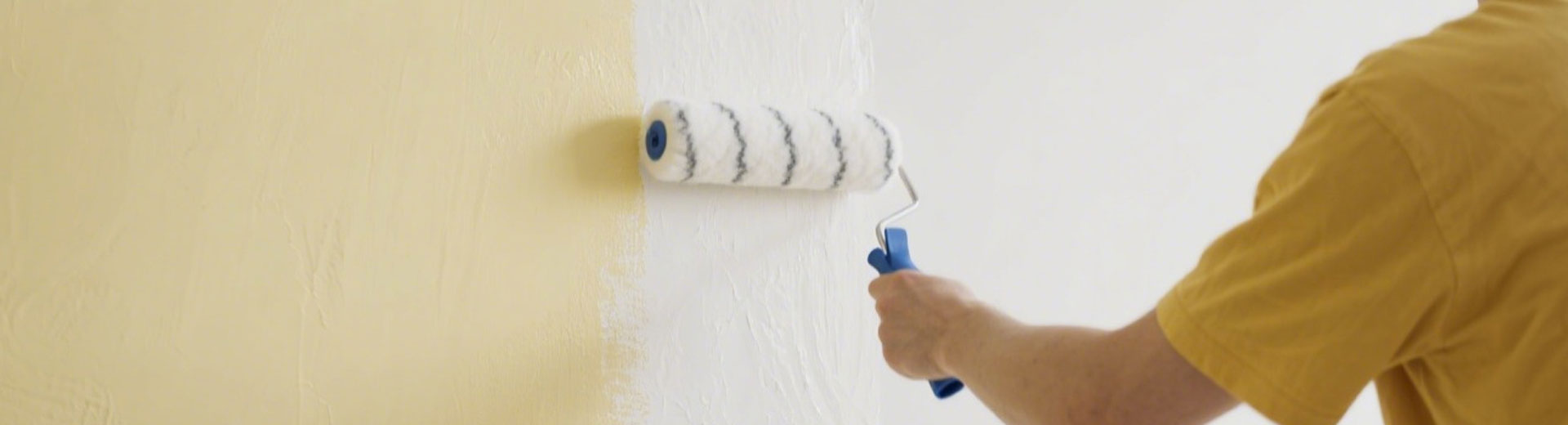
1、 What is water-based paint?
Water based paint is a coating that uses water as the main solvent (or dispersion medium), and solidifies the film-forming substance into a film through water evaporation, which is different from traditional solvent based coatings (which use organic solvents as carriers). Its core advantage is "low volatile organic compounds (VOCs)", which has become the mainstream development direction of the coating industry due to its environmental and safety characteristics.
2、 The core components of water-based paint
Compared with solvent based coatings, water-based paints have simpler components and higher safety, mainly composed of four parts:
Film forming material (key): mainly water-based resin, such as acrylic lotion (commonly used for wall paint, low cost, good weather resistance), polyurethane dispersion (commonly used for wood paint, high hardness, scratch resistance), epoxy lotion (industrial anti-corrosion paint, strong adhesion), which determines the adhesion and durability of the paint film;
Color fillers: provide color and coverage, such as titanium dioxide (white), iron oxide red (red), while enhancing the thickness and wear resistance of the paint film. Water based paint fillers need to undergo special treatment (such as surface modification) to avoid reacting with water;
Water (solvent): accounts for 30% -60%, replacing traditional solvents such as toluene and xylene, significantly reducing VOC emissions. It can be directly diluted with water during construction (without the need for specialized diluents);
Additives: Special additives for water-based paints, such as wetting agents (to help disperse pigments and fillers), thickeners (to adjust viscosity), antifreeze agents (to prevent freezing during low-temperature construction), to ensure storage and construction stability.
3、 Common Categories and Application Scenarios
It can be divided into building water-based paint and industrial water-based paint according to its use, covering multiple fields:
Architectural water-based paint (accounting for about 70%):
Wall paint: Indoor and outdoor latex paint (matte, silky, high gloss), suitable for residential and office buildings, with a focus on "scrub resistance and alkali resistance";
Wood paint: Furniture paint, wooden door paint, divided into clear water paint (transparent, showing wood grain), color paint (covering wood grain), requiring "high adhesion and resistance to yellowing";
Floor paint: for use in garages and workshops, requiring "wear resistance, pressure resistance, and easy cleaning", commonly epoxy resin water-based floor paint.
Industrial water-based paint (rapidly growing):
Metal anti-corrosion paint: for bridges, pipelines, and steel structures, it needs to be "rust proof and salt spray resistant";
Automotive paint: New energy vehicle body paint (water-based electrophoretic paint, color paint), environmentally friendly and full of color;
Plastic coating: for household appliance shells and toys, it needs to have strong adhesion and impact resistance.
4、 Compared to solvent based coatings, the core advantages of water-based paints
Index: Water based paint, solvent based coating
Environmentally friendly VOC is extremely low (usually ≤ 120g/L, indoor paint can ≤ 50g/L), free of benzene and formaldehyde, with a low odor and high VOC (500-1000g/L), containing harmful substances such as benzene and toluene, and a pungent odor
Safe and non flammable (water as solvent, high flash point), no fire risk during storage and transportation, flammable (organic solvents are volatile), requires explosion-proof storage
Convenient construction: Dilute with water (no special diluent required), tools can be cleaned with clean water but need to be diluted with a special solvent (such as banana water), and tool cleaning is troublesome
The paint film is easy to clean during later maintenance (can be wiped with a damp cloth), and has good compatibility during repair. The paint film is hard and brittle, and color difference is prone to occur during repair. Special cleaning agents are required for cleaning
5、 Construction precautions: Avoid 90% of common problems
More detailed grassroots treatment:
Wall surface: It needs to be flat and free of oil stains. New walls should be sealed with alkali resistant primer (prone to alkali bleeding when pH value>10). Loose paint film on old walls should be removed and sandpaper should be used to polish rough surfaces;
Wood: Remove burrs, use 240 grit sandpaper to polish along the wood grain, and brush with water-based sealing primer (to prevent tannin leakage and discoloration of the paint film);
Dilution and stirring:
Dilute with water only, according to the instructions (latex paint usually adds 10% -20% water, wood paint 5% -10%, excessive amount will reduce the covering power);
After opening the can, stir for 3-5 minutes (the bottom pigment is prone to settling) to ensure uniform color;
Environmental control:
Temperature range of 5-35 ℃ (below 5 ℃, it is prone to freezing, and above 35 ℃, rapid evaporation of water can cause cracking of the paint film);
Humidity<85% (during construction in rainy or high humidity environments, the paint film may "turn white" or "not dry", and air conditioning can be turned on for dehumidification);
Drying time: It takes 4-6 hours for the primer to dry completely, and 6-8 hours for the topcoat (slightly longer than solvent based coatings due to slow water evaporation) to avoid wrinkling of the paint film caused by wet overlapping.
Water based paint, with its core advantages of "environmental protection, safety, and convenient construction", is the mainstream trend in the paint industry. Understanding its composition, classification, selection, and construction points can help consumers scientifically choose suitable products that balance residential safety and user experience. With the advancement of technology, water-based paint is penetrating from the construction field to various scenarios such as industry and furniture, becoming the core choice for "green coating".


