
Service Online
400-0177-727

Paint is a key material in the "face saving project" of decoration, which not only affects the aesthetics of the wall, but also directly relates to the health and durability of living. There are many types of coatings on the market, and promotional terms are constantly emerging (such as "zero formaldehyde", "washable for thousands of times", "imported environmental protection"), making it easy for beginners to be misled. In fact, when choosing coatings, one only needs to focus on the three core elements of "demand matching, performance identification, and rational avoidance of pitfalls" to select cost-effective products that are suitable for oneself. Here are detailed purchasing tips, from early preparation to practical details, to help you save money.
1、 Clear requirements: First, clarify what kind of coating you need
The first step in choosing a coating is not to look at the brand or price, but to clarify the usage scenario and core requirements. There are significant differences in the functional requirements of coatings among different spaces and populations, blindly following the trend of "popular products" will only lead to wasted or insufficient performance.
1. Select by "Space Scene": The needs of the kitchen, children's room, and bathroom vary greatly
Living room/bedroom: The core requirements are "environmental protection+aesthetics+durability".
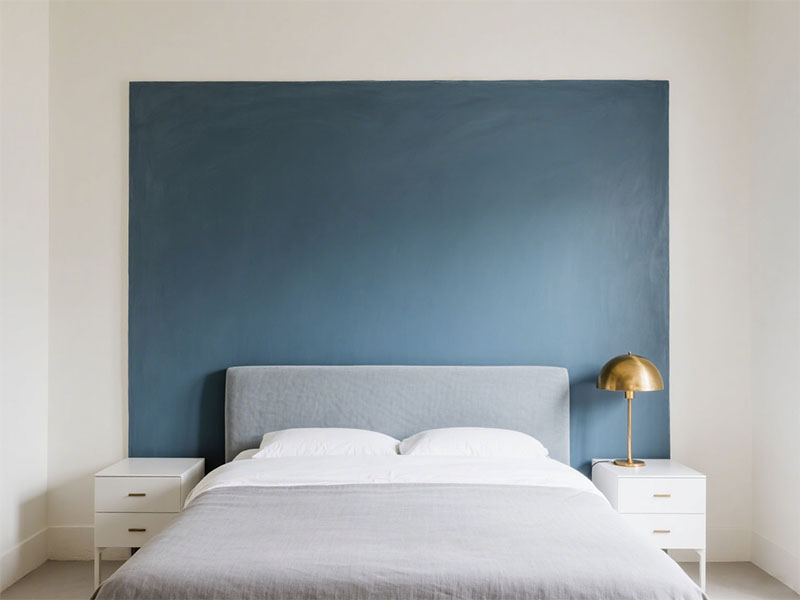
The living room and bedroom are areas for long-term activities, and environmental friendliness (low VOC, no odor) should be prioritized; The wall area is large, and the color and glossiness affect the overall style (such as light colors appearing larger, matte low-key, and silky texture); At the same time, basic scrub resistance is required (occasional handprints and dust can be cleaned).
Kitchen: The core requirements are "oil resistance+easy cleaning+waterproof".
Kitchen fumes are abundant and oil stains are prone to adhere. Ordinary coatings that come into contact with oil stains for a long time will turn yellow and difficult to clean. It is necessary to choose coatings with strong stain resistance and dense surface (such as semi gloss/silk gloss latex paint, waterproof and oil resistant coatings). It is best to support neutral cleaning agents for scrubbing, and the oil stains can be wiped clean immediately.
Toilet: The core requirement is "waterproof, mildew proof, and moisture resistant".
The bathroom has high humidity and heavy moisture, and ordinary coatings are prone to mold and peeling. It is necessary to choose coatings with high waterproof rating and anti mold performance standards (check if the product description indicates "waterproof" and "anti mold rating 0"). For the parts of the wall near the shower area, it is recommended to use waterproof primer to reduce moisture penetration.
Children's room: The core requirements are "environmental protection+scrub resistance+safety".
Children may graffiti or play on the wall, and the paint should meet the following requirements:
① low VOC and no heavy metals (avoiding the volatilization of harmful substances);
② Resistant to scrubbing times ≥ 5000 times (can be easily wiped off after doodling with a whiteboard pen);
③ Smooth and odorless surface to prevent children from biting or allergic contact.
2. Select by "budget": "cost-effectiveness formula" for coatings at different price points
The price of paint varies greatly (with material costs ranging from 20 yuan to 200 yuan per square meter), and it is necessary to clarify where the money will be spent based on the budget:
Economic type (10-30 yuan/㎡): suitable for rental housing and transitional housing, prioritizing basic functions - meeting environmental standards (VOC ≤ 100g/L, in line with the national standard GB 18582-2020), moderate coverage (brushing twice can cover the base layer), and resistance to scrubbing ≥ 1000 times (daily dust can be wiped off). Choose basic latex paint from mainstream brands to avoid miscellaneous brands (which may exceed formaldehyde and heavy metal standards).
Quality type (30-80 yuan/㎡): suitable for self occupied basic needs rooms, with a focus on improving "environmental protection+durability" - VOC ≤ 50g/L (lower odor), scrub resistance ≥ 5000 times (to deal with children's fingerprints and juice stains), good water resistance (usable in the kitchen and bathroom). Optional latex paint with alkali and mold resistant ingredients, or entry-level art paint (such as texture paint, solid color art paint).
High end type (above 80 yuan/square meter): suitable for families who pursue texture or special effects, such as imported art paint (metal paint, imitation stone paint), diatomaceous earth (note authenticity), inorganic mineral coatings (high temperature resistance, fire resistance), etc. This type of coating emphasizes decorative properties (texture, gloss, color saturation) and long-term performance (strong weather resistance, not easy to fade for more than 10 years), and requires professional construction.
2、 Understanding performance indicators: Three core parameters determine whether a coating is "good or not"
There are many parameters on paint packaging and promotional pages, so it is not necessary to remember them all. By focusing on the three core dimensions of environmental friendliness, practicality, and durability, one can judge the quality of the product.
1. Environmental friendliness: Avoid "pseudo environmental protection" and identify two hard standards
Environmental protection is the "bottom line" of coatings, but when merchants often play word games (such as "zero formaldehyde" and "green environmental protection"), they need to judge through specific indicators:
VOC content (volatile organic compounds):
VOC is the most harmful substance in coatings, and after volatilization, it can produce a pungent odor. Long term exposure may cause respiratory problems. According to the national standard GB 18582-2020, the VOC limit for indoor coatings is ≤ 100g/L (water-based coatings), and high-quality coatings will be controlled below 50g/L (almost odorless). When making a purchase, the merchant is required to provide a testing report. Please note that the report must have CMA certification (recognized by quality supervision departments at or above the provincial level) and the testing date must be within one year (avoid using expired reports).
Formaldehyde and heavy metal content:
The national standard specifies that formaldehyde should not exceed 100mg/kg, and the total amount of heavy metals (lead, cadmium, chromium, mercury) should not exceed 100mg/kg. The testing report of regular coatings will separately list these indicators. If the merchant is vague (such as "does not contain heavy metals" but cannot provide a report), it will be directly passed.
Avoiding pitfalls: "Zero formaldehyde" and "pure natural" are often gimmicks, and solvents and additives in paint production inevitably contain trace amounts of chemicals. As long as they meet national standards, they are safe; On the contrary, we should be wary of "low price, high environmental protection" products - coatings with high environmental raw material costs and prices far below market prices may "tamper with" the testing reports.
2. Practicality: View 3 "hidden performance" based on usage scenarios
After meeting environmental standards, it is necessary to check whether the coating is "easy to use", and the practicality indicators of different scenarios are different:
Scratch resistance:
The ability of the coating surface to remain undamaged and free from powder after repeated scrubbing, measured in "times". The national standard requires qualified products to be ≥ 300 times and first-class products to be ≥ 1000 times, but it is recommended to choose according to the scenario for household use:
Living room and bedroom: ≥ 3000 times (to deal with daily dust and occasional handprints);
Children's rooms and corridors: ≥ 5000 times (children graffiti, frequent scrubbing);
Kitchen: ≥ 10000 times (oil stains need to be repeatedly wiped with cleaning agents).
How to judge? Merchants can be requested to provide samples and use a damp cloth dipped in neutral detergent (such as soapy water) to repeatedly wipe the same area. If there is no powder or exposed substrate after more than 30 times, it indicates that the scrub resistance is qualified.
Water resistance:
The ability of paint to not bubble or peel when exposed to water is crucial for the durability of wet areas such as bathrooms, kitchens, balconies, etc. The detection method is simple: apply a small sample of paint onto a wooden board, dry it thoroughly, and soak it in clean water for 24 hours. If there is no whitening or bubbling on the surface, it indicates that the water resistance meets the standard (suitable for damp spaces); If it turns slightly white but recovers after drying, it can be used in dry areas (such as living rooms).
Covering power:
The ability of paint to cover the color or defects of the base layer directly affects the number of coats and cost. Coatings with poor coverage may require 3-4 coats to cover the base layer, which is both material and labor intensive. Judgment method: Observe the "comparative coverage rate" of the paint color card (which may be labeled as "coverage power 12 ㎡/L" on the packaging), or brush it once with black cardboard. If it can completely cover the black color, it indicates strong coverage power; If the bottom is exposed, it needs to be brushed multiple times.
3. Durability: Three details determine how long a coating can last
Good paint can make the wall look like new for ten years, and durability needs to pay attention to the following details:
Alkaline resistance:
The wall base layer (putty, cement) is mostly alkaline. If the coating has poor alkali resistance, long-term contact will result in "alkali bleeding" (wall whitening and powdering). High quality coatings will add alkali resistant additives, and the packaging will be labeled as "alkali resistant" or the test report will state "alkali resistance ≥ 48 hours without abnormalities" (no change after soaking in alkaline water for 48 hours).
Weather resistance:
The ability of paint to resist temperature changes and ultraviolet radiation, which affects whether the wall fades or cracks. In humid areas of the south and high-rise rooms with strong sunlight, it is necessary to choose coatings with good weather resistance (marked as "weather resistance ≥ 500 hours", or add ultraviolet absorbers); In dry northern regions, attention can be paid to "elastic coatings" (which can slightly shrink and reduce the risk of cracking).
Adhesion:
If the adhesion between the coating and the substrate is poor, it is easy to peel and peel off. The inspection report will include the "adhesion level" (which is divided into 0-5 levels according to the national standard, with 0 being the best and 5 being the worst). For household use, it is recommended to choose level 0-1 (tested using the grid method, with no coating peeling off).
3、 Avoid 8 purchase misconceptions: "unspoken rules" that merchants won't say
Even if the requirements and performance are clearly defined, it is still possible to be misled by the merchant's rhetoric when making a purchase. The following are common misconceptions and ways to avoid pitfalls:
Misconception 1: 'Imported coatings are definitely better than domestic ones'
Imported coatings may indeed have advantages in technology and raw materials, but their prices are often 2-3 times higher than domestic ones, and not all imported products are suitable for domestic environments (such as dry European climate, some imported coatings may not have as good water resistance as domestic ones). Suggestion: Prioritize reading the testing report (whether imported or domestically produced, it must comply with the Chinese national standard GB 18582-2020). The mid to high end series of mainstream domestic brands (such as latex paint with added bamboo charcoal and anti formaldehyde components) have reached international levels of environmental protection and durability, and offer higher cost-effectiveness.
Misconception 2: "Color card color=wall color"
Color cards are printed under standard light sources, and the actual wall color is affected by room lighting (natural light/lighting), coating area, and substrate color - the same color card appears bright in a south facing room and dark in a north facing room; Small area color cards are bright, while large area painting may be too thick. Avoiding pitfalls method: ① When selecting colors, use "color chart comparison+sample brushing" to brush the paint sample on A4 paper, stick it on different positions of the wall (window edge, wall corner), and observe the color changes of different lighting in the morning and evening; ② Light colored coatings are recommended to be 1-2 degrees lighter than the color chart (the visual depth may darken after extensive application).
Misconception 3: "Only buy paint, ignore supporting products"
Coating construction requires supporting materials such as primer, putty, and thinner. If not properly matched, even the best coating will have a "reduced effect":
Primer: Its function is to seal the alkalinity of the base layer and enhance the adhesion of the coating. It must be brushed (especially for rough houses and new walls), otherwise the wall surface is prone to alkali and powder peeling;
Putty: When the base is uneven, putty should be used to level it. It is recommended to choose "water-resistant putty" (for damp areas) or "finished putty" (to avoid adding glue on site and reduce formaldehyde);
Diluent: Latex paint needs to be diluted with water (usually in a ratio of 5% -15%). If the merchant says "no water is better", it may be to sell more paint (too much water will affect performance, and too little water will make it difficult to apply). It is necessary to add water according to the packaging instructions (such as "recommended to add 10% water").
Misconception 4: "The more fancy the packaging, the better the product
The focus of packaging for regular coatings is on "clear information" rather than "fancy design". When making a purchase, check if the packaging contains the following information: product name, model, manufacturer, address, production date, shelf life (usually 18-24 months), compliance standards (GB 18582-2020), and environmental indicators (VOC, formaldehyde content). If the packaging is vague and the information is incomplete (such as only the four words "environmentally friendly coating" without specific indicators), it may be a "three no product".


